
Keep Your Older Solar System Working
SunnyCal helps owners of older, orphaned, discontinued and unsupported solar systems find practical repair paths, compatible replacement equipment and hard-to-find solar parts — without assuming the entire system needs to be replaced.
- Older and orphaned solar systems
- Legacy replacement modules
- Inverter troubleshooting and replacement
- Monitoring and communication problems
- Hard-to-find solar components
- Support when the original installer is gone
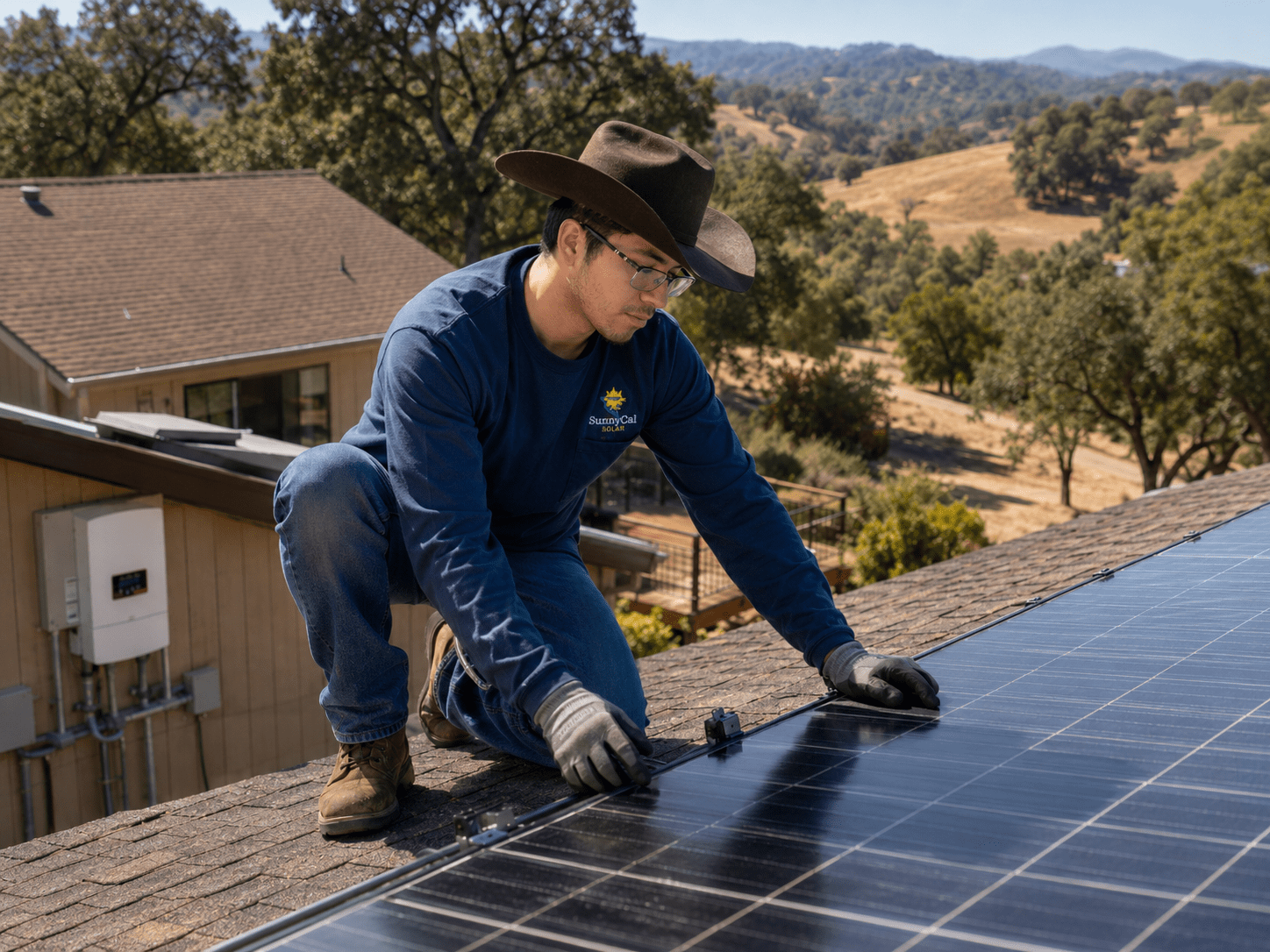
Solar That Still Has Value — But Is Getting Harder to Support
A legacy solar system is not necessarily a failed or obsolete system. It may simply use equipment, panel sizes, electronics, monitoring hardware, racking or other components that are no longer common in today's solar market.
Some systems also become effectively orphaned when the original installer closes, stops servicing older equipment or no longer supports the manufacturer that was originally installed.
Original Installer Is Gone
The system may still have years of useful life, but the company that installed or supported it is no longer available.
A Solar Panel Failed
Today's solar modules may be physically or electrically different from the modules already installed in an older array.
Inverter Is Aging or Failed
An older inverter may be discontinued or unsupported while much of the existing solar array remains serviceable.
Monitoring Stopped Working
Older gateways, communications hardware, applications or manufacturer platforms may stop reporting correctly.
Replacement Parts Are Hard to Find
Rails, clamps, disconnects, modules, electronics and other components can disappear from normal distribution channels.
Nobody Wants to Work on It
Some companies are structured primarily around new installations. SunnyCal specifically supports existing and unusual solar systems.
Legacy Solar Is More Than Old Solar Panels
An older solar array is a system of interconnected equipment. Keeping it operating may involve finding a replacement part, adapting to a newer generation of equipment or diagnosing a problem somewhere other than the solar modules themselves.
Solar Modules
Older dimensions, frame thicknesses and electrical characteristics can make direct panel replacement difficult. SunnyCal carries selected legacy-format and tested used modules when available.
Inverters
Central and string inverters may fail before the solar modules do. Replacement requires understanding the existing array, electrical characteristics and current equipment options.
Optimizers & Microinverters
Module-level electronics can create compatibility challenges when older product generations, connectors or communication protocols are no longer readily available.
Monitoring & Communications
A system may still generate power even when an older gateway, communications device or monitoring platform no longer works as expected.
Mounting & System Hardware
Rails, clamps, disconnects, combiners, breakers, connectors and other balance-of-system parts can become difficult to identify or source as systems age.
Orphaned Solar Systems
When the original installer or support channel disappears, someone still needs to identify the equipment, diagnose the problem and determine a practical path forward.
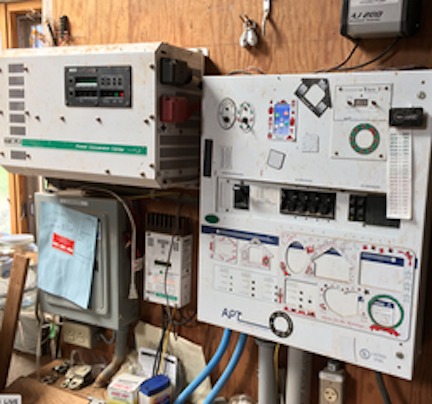
Older solar systems may contain inverters, charge controllers, connectors, mounting hardware and other equipment that looks nothing like today's products.
That is why legacy solar requires more than selecting the newest replacement from a catalog. The existing system has to be identified first, and the replacement path has to make sense for the equipment that remains.
SunnyCal's own media library includes older equipment like the inverter and charge controller shown here — a reminder that existing solar systems span many generations of technology.
Replacing Legacy Solar Equipment Is About Compatibility
Finding a part with a similar name or wattage is not always enough. Older solar equipment has to be considered as part of the system that is already installed.
Depending on the component, compatibility may involve:
- Manufacturer and model number
- Physical dimensions and mounting method
- Voltage and current characteristics
- Connector type and wiring configuration
- Existing string or array design
- Optimizer or microinverter generation
- Communications or monitoring compatibility
- Existing rails, clamps and mounting hardware
- Applicable requirements when equipment is replaced
The Best Information to Send SunnyCal
If you are searching for a replacement component, the following information can save a great deal of time.
Module Size and Format Matter
Many older solar arrays were built with module dimensions and electrical characteristics that differ from today's panels. Replacing one failed module may require finding a panel that fits the existing racking and is appropriate for the electrical design.
Traditional 60-cell and 72-cell modules are common examples in older systems, but cell count alone does not determine compatibility.
Width, length, frame thickness, voltage, current, connectors, string configuration and mounting details may all matter.
Send SunnyCal:
- Manufacturer
- Model number
- Photo of the original module label
- Panel width and length
- Frame thickness
- Quantity needed
Examples of Legacy-Format & Tested Used Solar Modules
SunnyCal carries selected modules that can be useful when replacing panels in older arrays. Inventory changes, so these should be treated as current examples rather than the only legacy modules SunnyCal can help identify.
300W 60-Cell Module
Traditional-size 60-cell module offered for legacy replacement applications where modern oversized modules may not fit.
View 300W Module →325W 60-Cell Module
Black-frame traditional-format module offered as another replacement option for older systems requiring approximately this physical format.
View 325W Module →SolarWorld 260W
Used SolarWorld module for customers searching for a specific older-format replacement. SunnyCal's listing states these modules are tested for electrical performance.
View SolarWorld 260W →SolarWorld 290W
Used SolarWorld module for older-system replacement applications. Current inventory is limited and should be confirmed before purchase.
View SolarWorld 290W →These products are examples of current SunnyCal inventory. Legacy solar is not limited to 60-cell modules. Compatibility and availability should be confirmed for the specific system.
The Panels May Still Be Good Even When the Inverter Is Not
An older inverter, optimizer, microinverter or communications device can fail while the solar modules still have useful operating life. That makes diagnosis important before assuming the entire array needs replacement.
Diagnose the Problem First
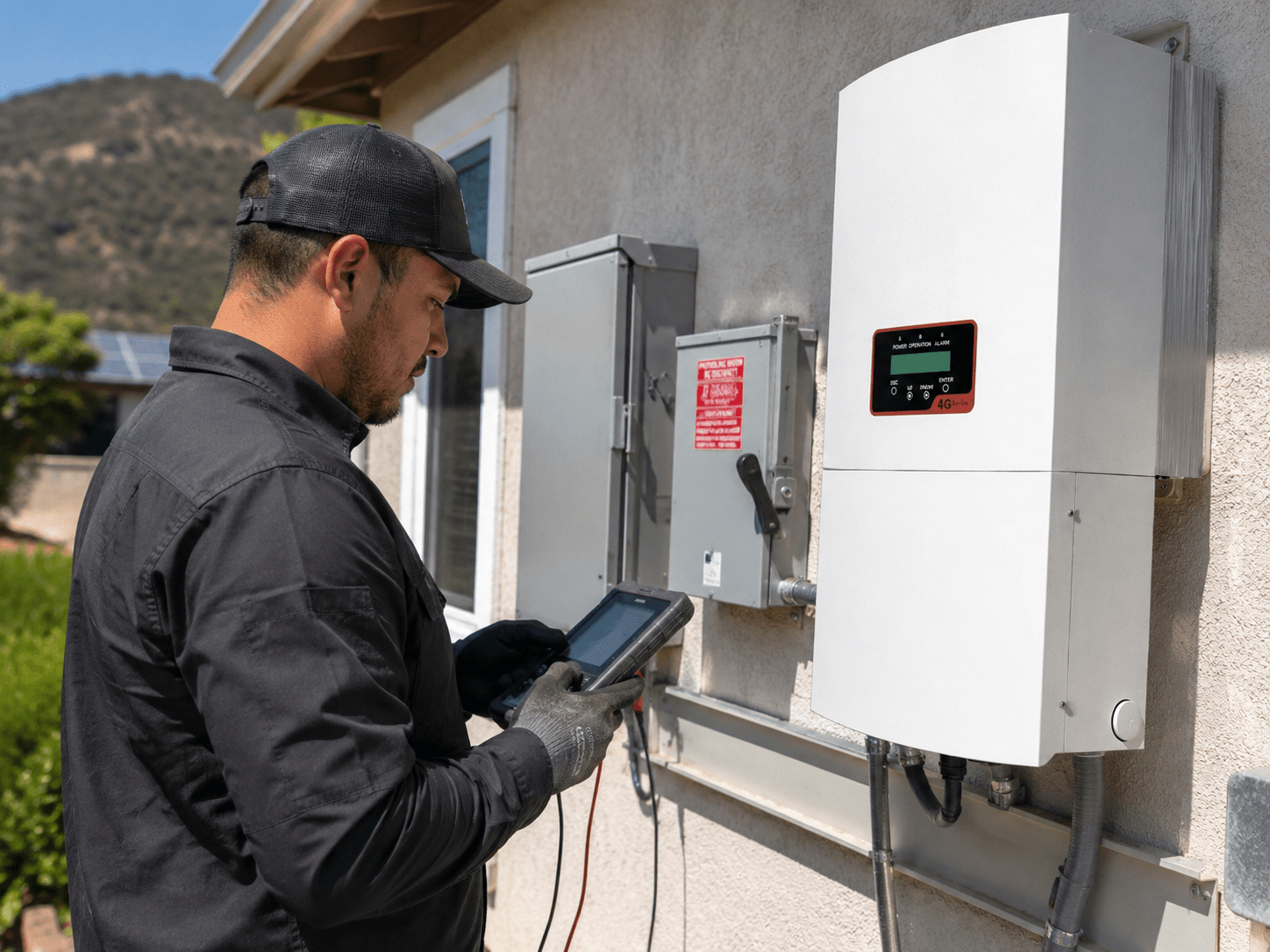
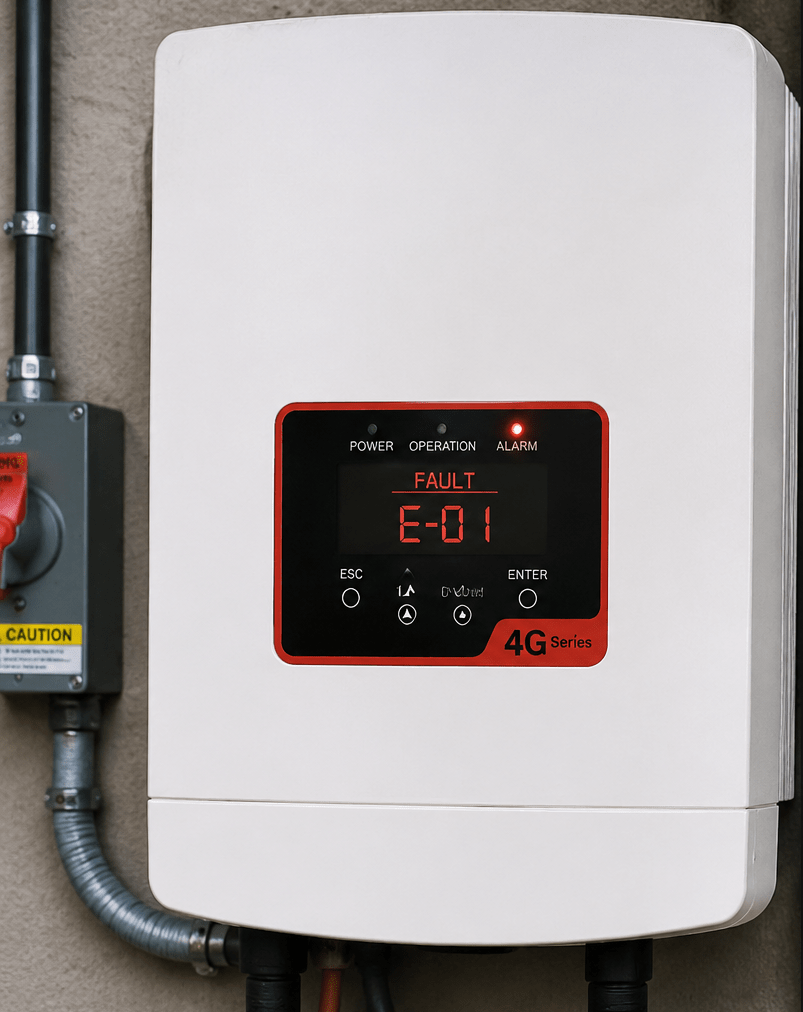
If you have an inverter fault, low production, communications failure or an unexplained shutdown, start with solar service.
- Inverter error codes
- Intermittent production
- Monitoring offline
- String or array problems
- Older equipment no longer supported
Browse Inverter Equipment
SunnyCal also carries inverter equipment for qualifying replacement and system applications.
Replacement equipment should be selected based on the existing array and electrical configuration rather than inverter wattage alone.
Need Diagnosis — or Already Know the Part?
SunnyCal supports both sides of legacy solar: local service for systems that need diagnosis and an online parts catalog for customers who already know what equipment or component they need.
Start With Solar Service
If the system is not producing and you do not know what failed, diagnose it before buying equipment.
- Inverter faults
- Monitoring offline
- Low or missing production
- Failed or damaged panels
- Older unsupported equipment
- Original installer no longer available
Start With Solar Parts
If you already have the manufacturer, model, dimensions or exact component information, start in the SunnyCal parts store.
- Legacy solar modules
- Tested used solar modules
- Inverter equipment
- Mounting hardware
- Disconnects and switching equipment
- Specialty and hard-to-find components
Looking for a Solar Part You Cannot Find Through Normal Distribution?
SunnyCal's legacy solar parts support is not limited to local service customers. Contractors, electricians, solar technicians, property managers and knowledgeable system owners can also contact SunnyCal when searching for older, discontinued or unusual solar equipment.
If you know the manufacturer, model number or part number, send that information first. Photos and equipment labels are especially useful when the exact name of a component is unknown.
- Manufacturer
- Model or part number
- Equipment label photo
- Electrical specifications
- Physical dimensions when relevant
- Photos of connectors or mounting points
- Quantity needed
What Are You Trying to Solve?
You do not need to know every technical detail before contacting SunnyCal. Start with the problem you are seeing.
Need SunnyCal to Work on the System?
SunnyCal provides solar troubleshooting and repair support for qualifying existing rooftop, ground-mounted and specialty solar systems within its local service area.
This is especially useful when the system is older, the original installer is unavailable or the customer does not know which component has failed.
If possible, have:
- Approximate system age
- Solar panel manufacturer/model
- Inverter manufacturer/model
- Photos of equipment labels
- Any current error codes
- Description of what changed
- Recent monitoring information if available
Questions About Older & Unsupported Solar Systems
What is a legacy solar system?
What is an orphaned solar system?
Can an older solar system still be repaired?
Can SunnyCal help if my original solar installer went out of business?
Is legacy solar only about 60-cell solar panels?
Why can't I replace an old panel with any new solar panel?
Does SunnyCal sell replacement solar panels for older systems?
Does SunnyCal sell used solar panels?
Can SunnyCal help with an older inverter?
What if my solar panels work but my monitoring does not?
Should I buy a replacement part before scheduling service?
Does an inverter failure mean I need to replace all my solar panels?
Have an Older Solar System or a Solar Part Nobody Else Wants to Deal With?
Tell SunnyCal what system you have, what changed and what equipment is installed. Whether you need troubleshooting, an older replacement module, inverter direction, discontinued hardware or another hard-to-find solar component, we'll help you identify the practical next step.