SolarNets Solar Panel Protection for Golf Balls, Hail & Impact Damage
Protect the solar array you already own from repeated impact damage.
Golf balls, hail and baseballs can turn a working solar array into broken glass, lost production and repeated repair costs.
SolarNets combines protective netting, support brackets and tensioning hardware into a system designed around your actual solar array.
SunnyCal can help determine the right SolarNets product, net layout, support type, attachment method and installation path for your project.
What is SolarNets?
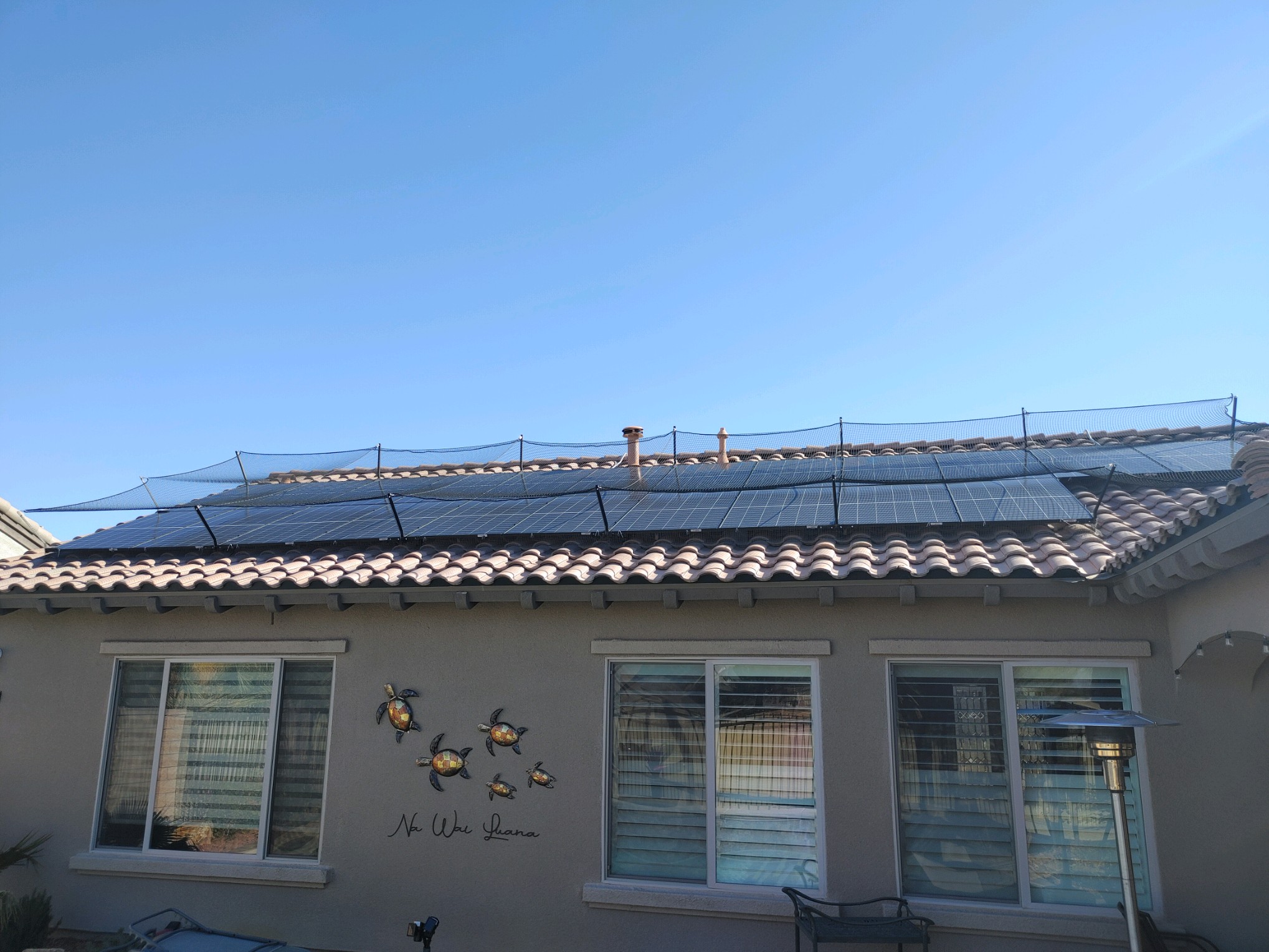
SolarNets is SunnyCal Solar's solar-panel protection system. It creates a physical barrier above exposed solar panels using protective netting, support brackets and tensioning hardware.
SolarNets includes three primary protection products: GolfNet for golf-ball exposure, Hail Blocker Net for hail exposure and Baseball Catcher Net for baseball and sports-ball exposure.
Choose the SolarNets protection designed for your impact risk.
The protective net is selected based on what is putting your solar panels at risk.
GolfNet
Solar-panel protection for golf-ball exposure.GolfNet is designed for homes, golf-course facilities, commercial properties and other solar arrays exposed to errant golf balls.
The netting is supported above the solar modules to help intercept incoming golf balls before they reach the panel glass.
Hail Blocker Net
Solar-panel protection for hail exposure.Hail Blocker Net adds a physical protective barrier above solar panels in locations where hail damage is a concern.
Hail size, wind and impact conditions vary, so the appropriate SolarNets configuration should be selected for the actual project and site.
Baseball Catcher Net
Solar-panel protection for baseball and sports-ball exposure.Baseball Catcher Net is designed for solar arrays near baseball fields, schools, parks and recreation facilities where errant balls can reach the panels.
You need more than a piece of generic netting.
SolarNets is designed as a complete solar-panel protection system. The netting, support brackets, tensioning and array layout work together.
See SolarNets Protecting Real Solar Arrays
See how SolarNets is used on existing solar arrays and the type of panel damage customers are trying to prevent from happening again.
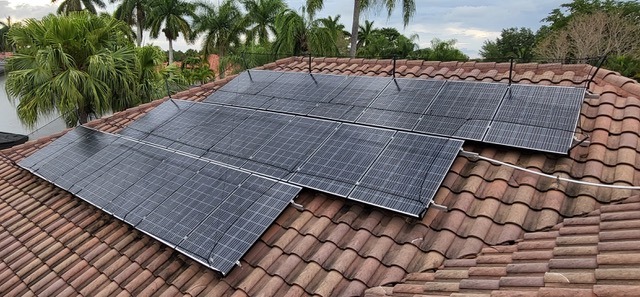
Florida SolarNets Installation
SolarNets protection installed above an existing array.
SolarNets on an Existing Rooftop Array
Protection added above an operating solar system.

Golf-Ball Protection Above Solar Panels
Protective netting positioned above the array to intercept impacts.
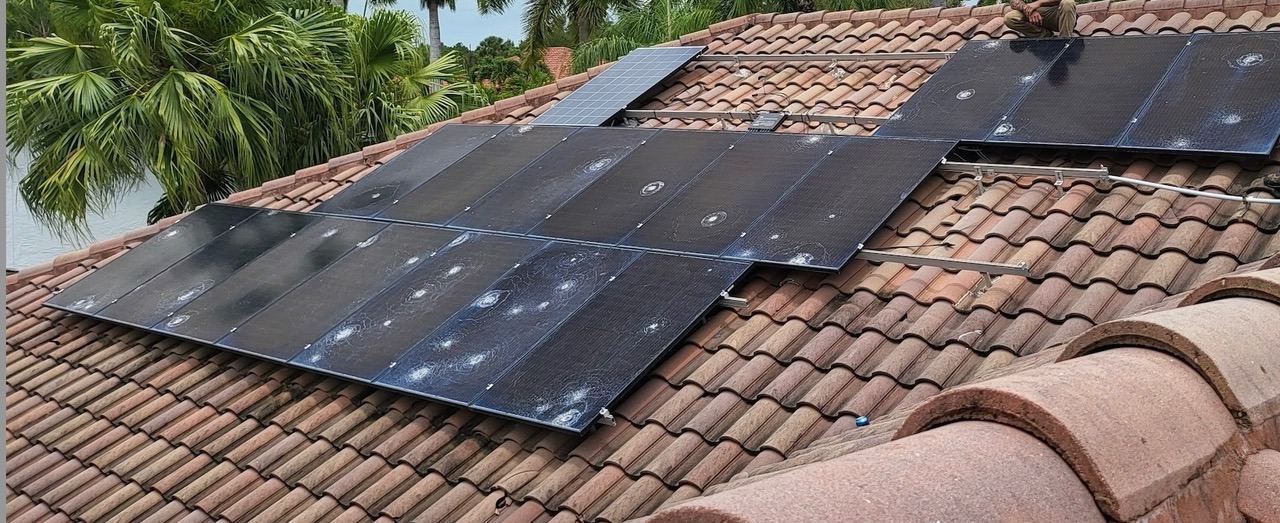
Solar Panels Damaged Before Protection
Physical impacts can turn into repeated repair costs when the underlying exposure remains.
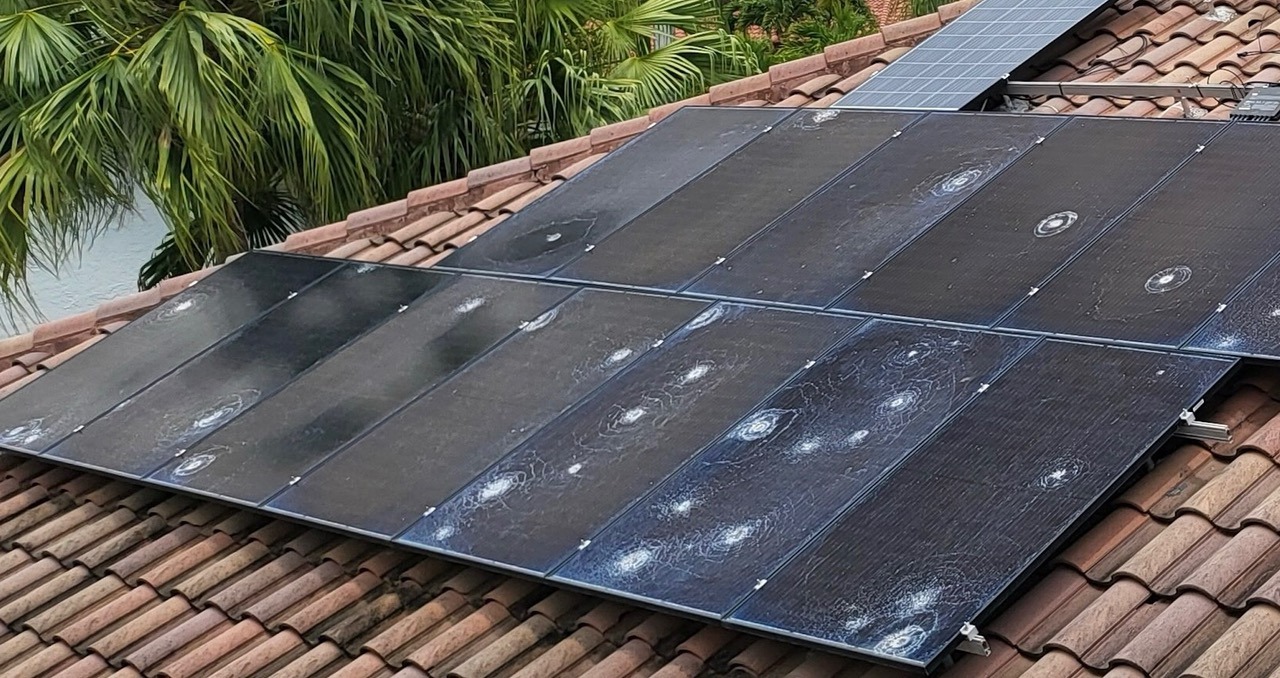
Repeated Impact Damage
Replacing the damaged module fixes the immediate problem, but not the exposure that caused it.
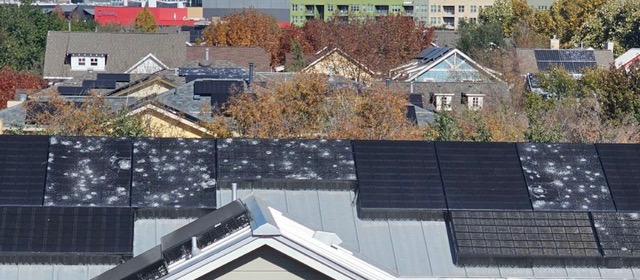
Storm-Exposed Solar Array in Austin
Severe-weather exposure is another reason solar owners investigate physical panel protection.
Protection for homes, public facilities and golf-course properties.
San Jose Area
SunnyCal has supplied SolarNets protection for a water facility near a golf course where the solar array was exposed to golf-ball impacts.
San Francisco
SolarNets has been installed over solar panels on golf-course facility buildings in San Francisco to help protect the arrays from golf-ball exposure.
Protection Added Later
SolarNets can often be added to compatible existing solar arrays after an owner discovers a recurring impact problem.
A complete SolarNets system is made from several components working together.
The final configuration depends on the array size and shape, attachment conditions and the impact risk being addressed.
Protective Netting
GolfNet, Hail Blocker Net or Baseball Catcher Net creates the protective surface above the solar array.
Support Brackets
Supports create separation between the protective net and the solar modules.
Tensioning
Chains, clips and support wire position and tension the protective net as required.
Custom Layout
Panel count, dimensions, protected area and mounting conditions determine the finished system.
Your solar panels can still be cleaned and serviced after SolarNets is installed.
SolarNets protects the array without permanently sealing the panels away from the people who need to maintain them.
The system provides access around the protected array so routine solar-panel cleaning can still be performed.
When inspection, troubleshooting, panel replacement or other solar work is required, the netting can be accessed or moved as needed to reach the underlying array.
- Solar panels can still be cleaned
- Technicians can still inspect the array
- Solar service and troubleshooting remain possible
- Individual modules can still be reached for repair or replacement
- Normal solar-system maintenance can continue
Protect the panels without creating a maintenance problem.
Solar arrays still need cleaning, inspection and occasional service after protective netting is installed.
SolarNets is designed with that reality in mind.
The support method has to fit the solar equipment you already have.
Module frames, roof construction, structure type, array layout and future service access all matter when selecting the SolarNets attachment method.
- Direct-attach supports: available for compatible solar-module frames.
- Direct attachment can avoid new roof penetrations: when the module frame and project conditions allow it.
- Roof-mounted supports: available where an independent roof attachment is appropriate.
- Carport and structural supports: available for compatible structural applications.
- Module compatibility: panel-frame and manufacturer requirements should be reviewed before direct attachment.
- Service access: the finished layout should preserve practical access to the solar array.

SolarNets Direct-Attach Support
This is one SolarNets support configuration. The correct attachment method depends on the solar modules, structure and project conditions.
What Does a Complete SolarNets System Cost?
The standard SolarNets system price is $2,400.
Final project cost can vary depending on the size and layout of the solar array, which SolarNets product is needed, the amount of protective netting required, support hardware, attachment method, shipping and installation requirements.
A complete SolarNets project may include:
- GolfNet, Hail Blocker Net or Baseball Catcher Net
- Protective netting sized for the area being protected
- Corner and side supports
- Roof, carport or structural supports where required
- Tensioning chains, clips and support wire
- Attachment hardware
- Array-specific layout and configuration
- Shipping or delivery
- Installation, when requested
Solar repair or broken-panel replacement, when needed, is separate from the normal SolarNets protection-system scope.
You can use a qualified SolarNets installer in your area.
SunnyCal supplies and supports SolarNets systems, but customers are not limited to SunnyCal for installation. Independent contractors and solar-service companies also install SolarNets.
Dollens Electric
Dollens Electric has installed SolarNets on Bay Area projects, including golf-course solar applications.
Solar Soft Washing
Solar Soft Washing offers solar-panel golf-net protection services in Central Florida.
Find a SolarNets Installer
Use the official SolarNets installer map to look for an installer serving your area.
SunnyCal can help with the solar damage too.
SolarNets is the protection product. Solar repair is an additional advantage of working with SunnyCal.
Repair the damage, then address the recurring exposure.
If golf balls, hail or another impact has already damaged the solar system, SunnyCal can help evaluate the array, replace broken panels when an appropriate replacement is available and address related solar-service needs.
Replacing the broken panel fixes the immediate damage. If the same impact risk is still present, the replacement remains exposed to the same problem.
SolarNets can then be planned around the repaired array.
- Broken solar-panel replacement when a suitable replacement is available
- Solar troubleshooting and service
- Related wiring and solar-system repair
- SolarNets protection after repair
Broken-Panel Damage
Repair handles the damaged module. SolarNets addresses the ongoing impact exposure.
Send us what you know. We will help you figure out the rest.
You do not need to know which net, support bracket, tensioner or attachment system you need before contacting SunnyCal.
Helpful information for your SolarNets quote
- What is hitting the panels — golf balls, hail, baseballs or something else?
- Photos of the solar array
- Panel count
- Panel manufacturer and model, if known
- Solar plans or permit drawings, if available
- Approximate array dimensions or layout
- Your city and state
- Whether any panels are already damaged
- Whether you need installation, parts only, or plan to use your own contractor
You do not need every measurement before contacting us. Photos and a basic description of the problem are enough to get started.
Want SunnyCal to help design it?
Tell us about the array and what is putting the panels at risk.
Want to design the net yourself?
Use the SolarNets Net Designer to enter your solar-array information and work through a custom layout.
Already have a contractor? SunnyCal can supply the SolarNets system.
A qualified local contractor can install SolarNets. SunnyCal can help supply the system and components.
Contractor Project Support
SunnyCal can help contractors and property owners identify the SolarNets components required for the planned array.
- GolfNet, Hail Blocker Net and Baseball Catcher Net
- Support hardware
- Tensioning components
- Replacement components
- Array-layout information
- Technical product support
Need an Installer Instead?
Use the SolarNets installer map to locate independent installers and service providers.
Already know exactly what SolarNets part you need?
Individual SolarNets components are available from SunnyCal. If you need a complete protection system, start with a quote or the Net Designer rather than guessing at components.
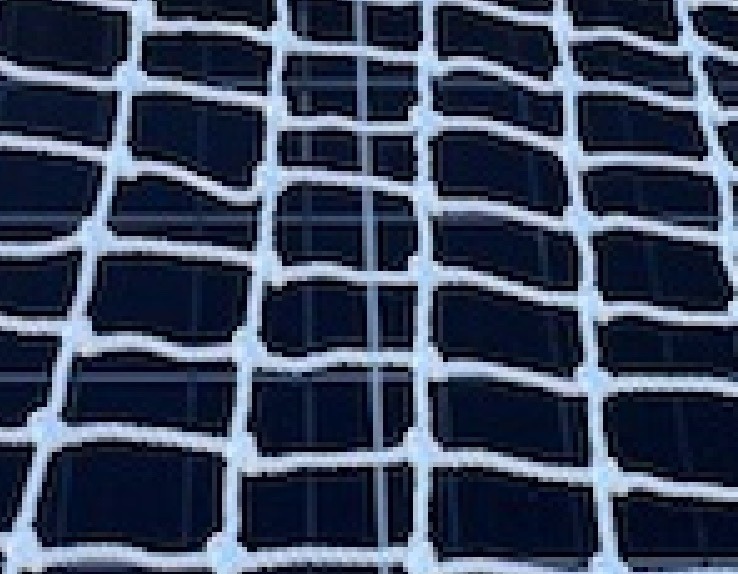
Protective Netting
SolarNets protective netting for customers who already know the size and configuration required.
View SolarNets Netting →
Corner & Side Supports
Support hardware used to hold SolarNets above compatible solar-module arrays.
View SolarNets Supports →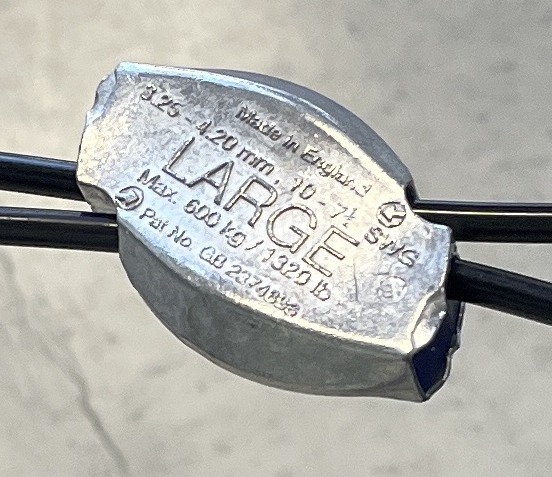
Zip Tensioners
Tensioning hardware used with support wire in SolarNets installations.
View Zip Tensioner →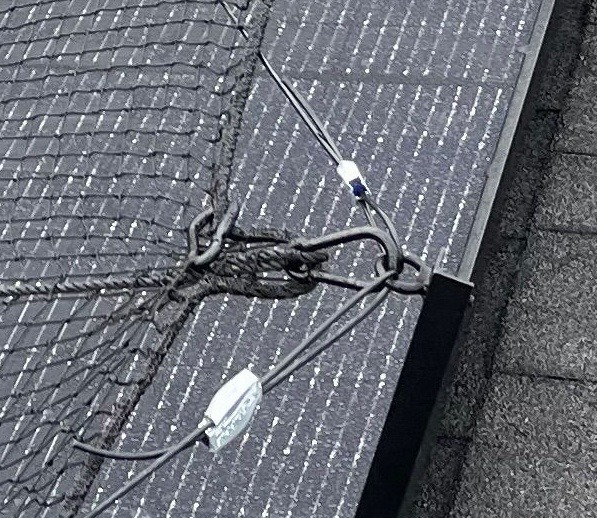
Support Wire
Support wire for SolarNets configurations requiring additional support or tensioning.
View Support Wire →
Carport Supports
SolarNets support hardware for compatible carport and structural applications.
View Carport Support →Do not guess at the system.
Send SunnyCal information about your array or use the Net Designer to determine the configuration first.
SolarNets questions customers and contractors ask before buying.
What is SolarNets?
SolarNets is SunnyCal Solar's solar-panel protection system. It uses protective netting, support brackets and tensioning components to create a physical barrier above exposed solar panels.
Who created SolarNets?
SolarNets was created by SunnyCal Solar. SunnyCal supplies complete SolarNets systems, individual components, technical support and solar-service help.
What SolarNets products are available?
SolarNets includes GolfNet for golf-ball exposure, Hail Blocker Net for hail exposure and Baseball Catcher Net for baseball and sports-ball exposure.
What is GolfNet?
GolfNet is the SolarNets protection product for solar arrays exposed to golf balls, including homes near golf courses, golf facilities and other properties subject to errant golf-ball impacts.
What is Hail Blocker Net?
Hail Blocker Net is the SolarNets protection product intended to provide a physical barrier above solar panels where hail exposure is a concern. Hail conditions vary by storm, so the system should be selected for the actual project and site.
What is Baseball Catcher Net?
Baseball Catcher Net is the SolarNets protection product for solar arrays near baseball fields, schools, parks and other areas where baseballs or similar sports impacts can reach the panels.
How much does a complete SolarNets system cost?
The standard SolarNets system price is $2,400. Final project cost can vary depending on the size and layout of the solar array, SolarNets product selected, support hardware, attachment method, shipping and installation requirements. Individual SolarNets component prices are not complete-system prices.
Why do some SolarNets parts cost much less than $2,400?
Individual nets, brackets, tensioners and support wire are sold separately as SolarNets components. The price of one component is not the price of a complete SolarNets system.
Can my solar panels still be cleaned after SolarNets is installed?
Yes. SolarNets is designed so routine solar-panel cleaning can still be performed after the protection system is installed.
Can my solar panels still be serviced after SolarNets is installed?
Yes. The underlying solar array can still be inspected and serviced. The netting can be accessed or moved as needed when troubleshooting, panel repair or replacement is required.
Can SolarNets be installed on an existing solar system?
Yes. Many SolarNets systems are added to existing solar arrays. Compatibility depends on the solar-module frames, array layout, structure and support method.
Does SolarNets require new holes in my roof?
Not necessarily. On compatible arrays, direct-attach SolarNets supports can attach to the solar-module frame without adding a new roof penetration. Other arrays may require a different support method.
Can my own contractor install SolarNets?
Yes. SolarNets can be supplied for installation by qualified third-party contractors. Customers can also use the official SolarNets installer map to locate installers serving their area.
Where can I find a SolarNets installer?
Use the official SolarNets installer map at SolarNets.com/installers. SunnyCal can still supply and support the SolarNets system when a local contractor performs the installation.
What if my solar panels are already damaged?
SunnyCal can help evaluate the damaged solar system, replace broken panels when an appropriate replacement is available and address related solar-service needs before SolarNets protection is added.
What should I send SunnyCal for a SolarNets quote?
Start with photos of the solar array and information about what is hitting the panels. Panel count, module manufacturer and model, solar plans, approximate dimensions, city and state, and whether installation is needed are also helpful when available.
Can I design my SolarNets system online?
Yes. The SolarNets Net Designer lets customers and contractors work through a custom net layout using information about the solar array. Customers who prefer SunnyCal assistance can request a SolarNets design and quote instead.
Do I need to know which SolarNets parts I need before contacting SunnyCal?
No. Send SunnyCal photos and basic information about the array and impact problem. SunnyCal can help determine the correct next step.
Ready to protect your solar panels from the next impact?
Send SunnyCal photos of your solar array and tell us what is putting the panels at risk. We can help determine the SolarNets configuration your project needs.
209-464-6100SolarNets by SunnyCal Solar • California Contractor License #990589