Protect Your Solar Panels From Golf Ball, Hail & Impact Damage.
SolarNets helps protect exposed solar arrays on homes, golf-course properties, wineries, rural sites, and local businesses.
Solar panels are built to last, but they are not invincible. A golf ball, hail strike, falling debris, or repeated impact risk can turn a working solar array into broken glass, production loss, repair costs, and a bigger headache.
SolarNets is SunnyCal’s panel protection solution for customers who want to protect the solar system they already invested in.
Solar damage is not just cosmetic.
A cracked panel can affect performance, expose the system to water intrusion concerns, create inspection issues, and require replacement work that may be harder or more expensive than expected.
SolarNets is especially relevant for golf-course homes, exposed rural roofs, wineries, businesses, and properties where impact risk is part of the environment.
SolarNets may help with
- Golf ball damage risk near fairways and driving areas
- Hail and impact exposure on vulnerable solar arrays
- Exposed rural homes, wineries, and business properties
- Protecting solar panels already installed on the roof or structure
- Reducing the chance that one impact turns into a major repair issue
- Adding protection while keeping the system serviceable
Broken solar panels can create a bigger problem than customers expect.
SolarNets exists because real panels get hit, cracked, shattered, and exposed. The goal is simple: show the risk clearly, then give customers a practical protection option before damage happens again.
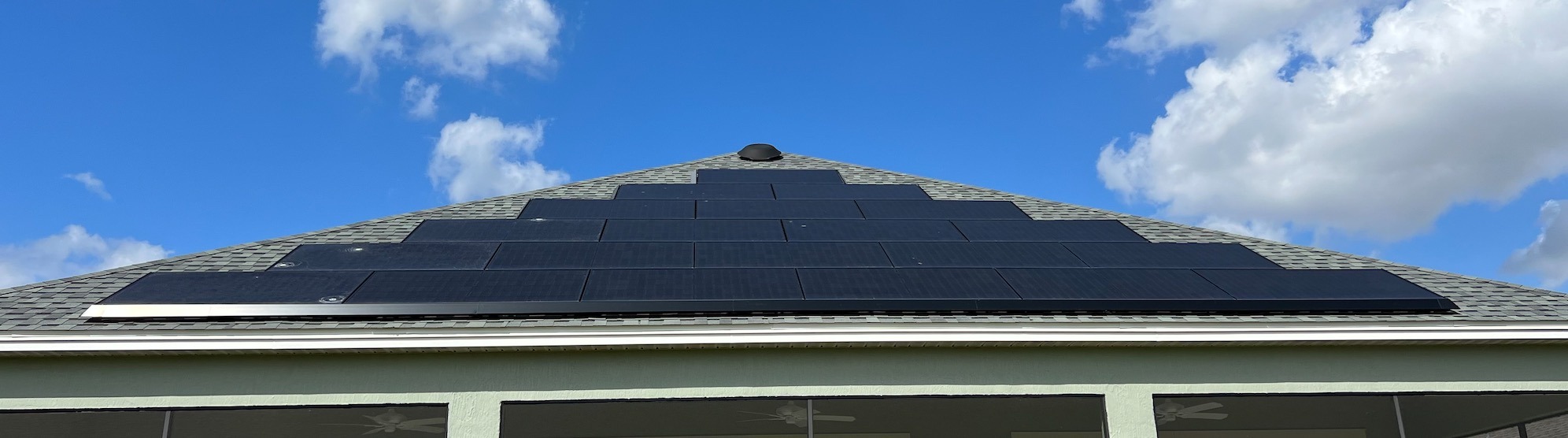
Golf-damaged solar arrays
Homes near golf courses can face repeated impact risk. SolarNets is designed for customers who want practical panel protection.
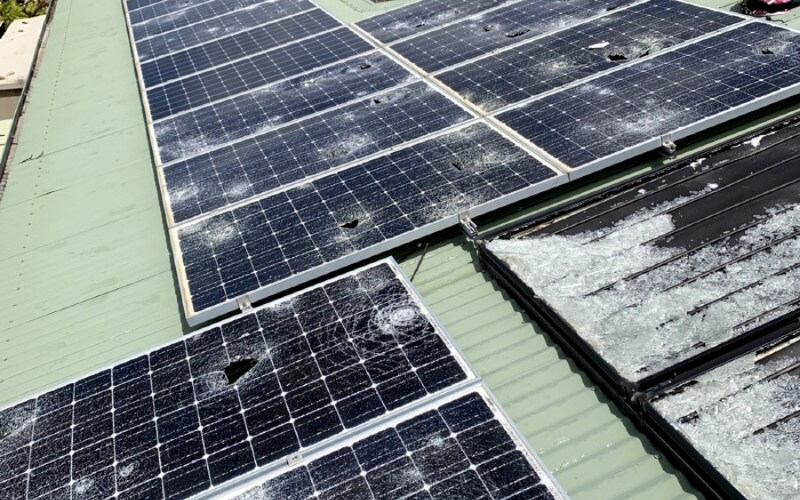
Hail and weather impact
Hail and impact events can damage panel glass and create expensive repair concerns.
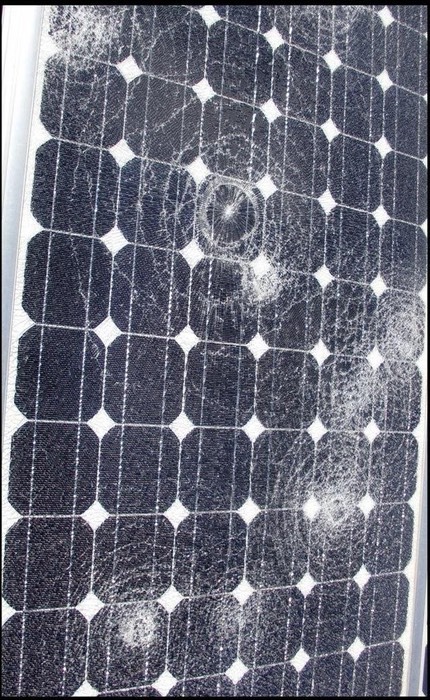
Broken solar glass
Cracked solar glass is a warning sign. Customers should not ignore visible panel damage or assume the system is still protected.
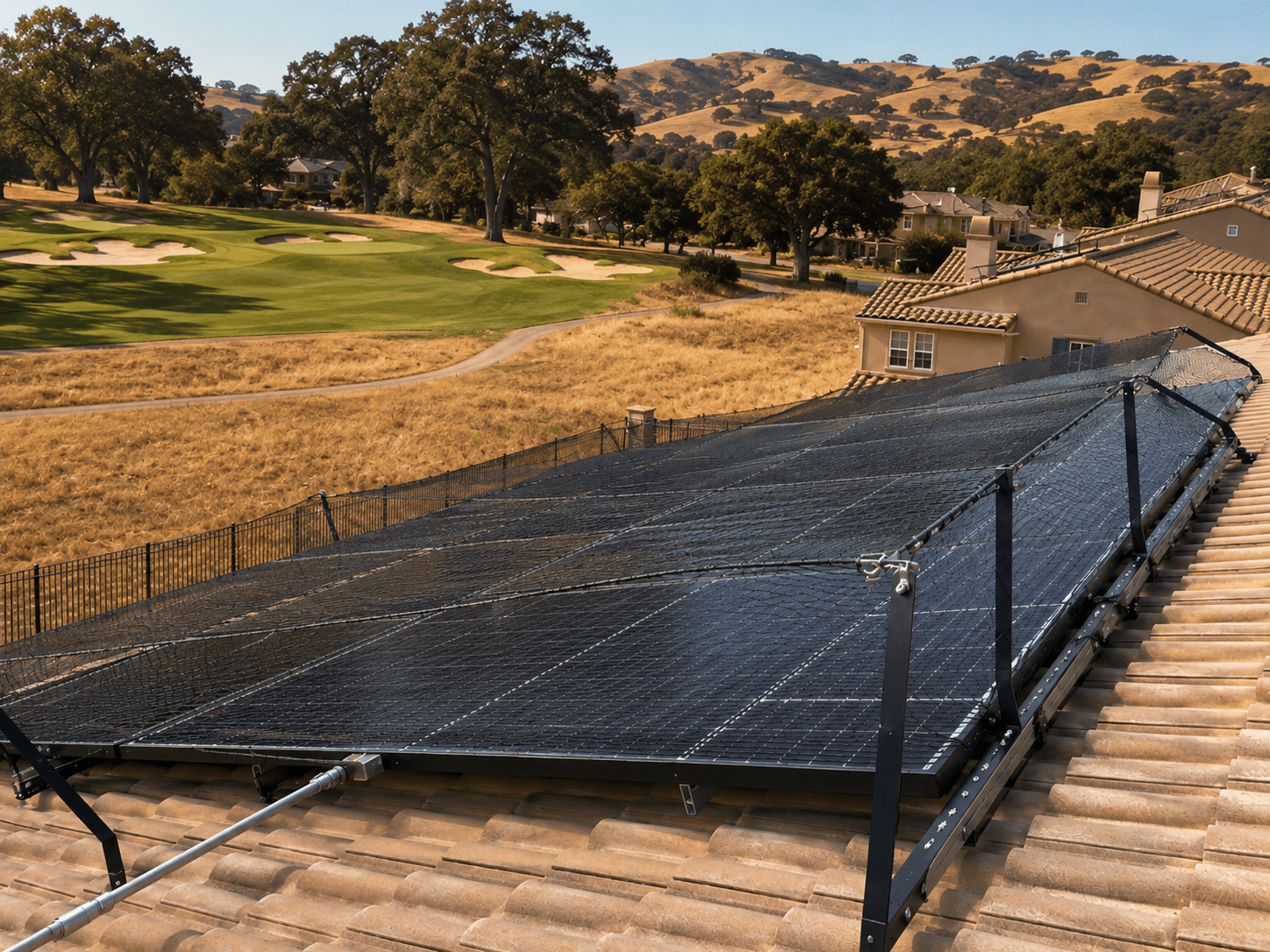
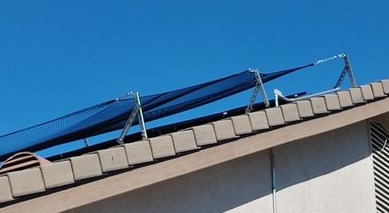
SolarNets adds a protective layer over exposed solar panels.
SolarNets uses netting, supports, tensioning, and installation details designed around solar panel protection. The goal is to help protect the array while keeping the system clean, practical, and serviceable.
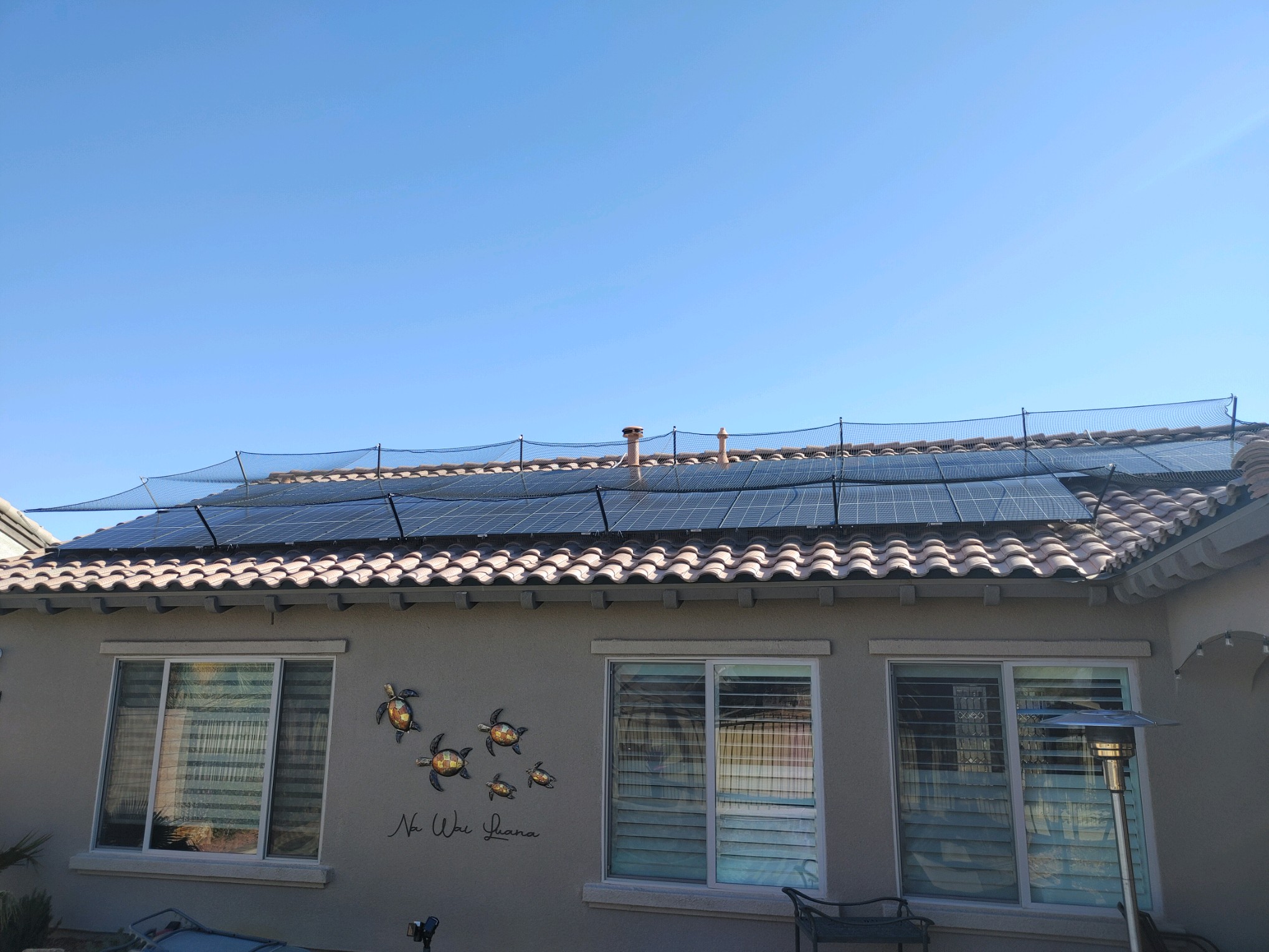
Installed panel protection
SolarNets can be installed over exposed solar arrays where impact risk is a known concern.
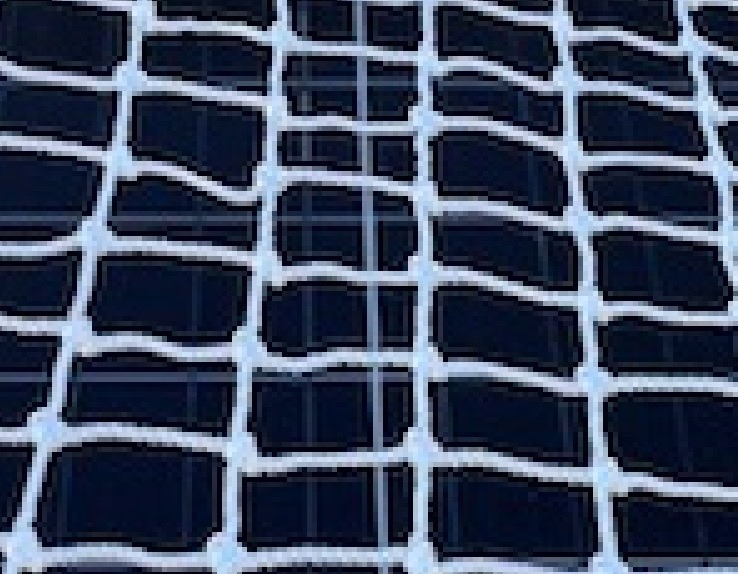
Visible, practical protection
The system is designed to help protect panels while keeping the solar array accessible for future service and inspection needs.
Golf balls, hail, and impact damage can break solar glass faster than most homeowners expect.
Golf-course homes
For homeowners near fairways, tee boxes, driving ranges, or golf-ball impact paths.
Wineries & rural properties
For exposed arrays on homes, outbuildings, businesses, and rural sites with weather or debris exposure.
Customers protecting an investment
For solar owners who would rather protect panels now than deal with broken glass and replacement later.
Protection depends on the details.
A panel protection system has to be installed with the right supports, tensioning, hardware, layout, and property-specific planning. SunnyCal evaluates the array and recommends a protection approach that makes sense for the roof, structure, and impact exposure.
SolarNets planning may include
- Reviewing solar array size, layout, and access
- Looking at golf ball, hail, and impact exposure
- Planning net support, tensioning, and attachment details
- Checking service access and future maintenance needs
- Providing a custom protection recommendation
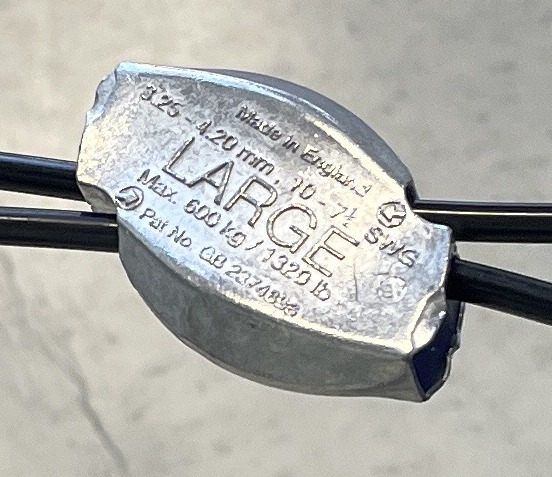
Tensioning hardware
Clean tensioning and hardware details help keep the protection system practical.
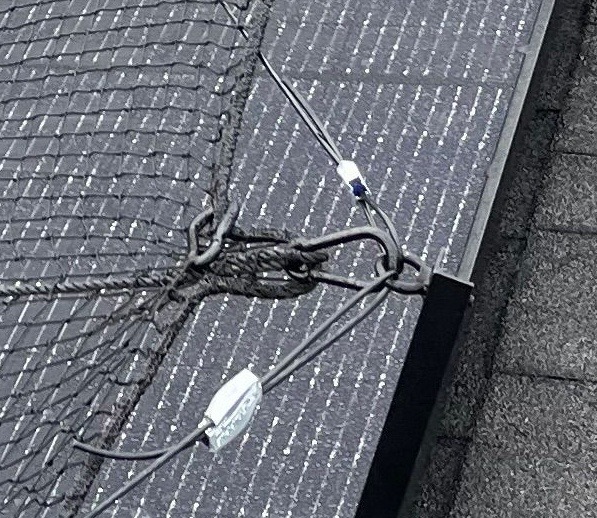
Support details
The installation details matter when protecting panels on real roofs and arrays.
Shop SolarNets parts, netting, supports, wire, and tensioning hardware.
If you already know the hardware or SolarNets part you need, use the links below. If your panels are damaged, your array needs a custom protection layout, or you are unsure what part fits, request SolarNets help before ordering.
Solar Panel Protection Netting
Protective netting for solar panel impact protection. Use this path if you know the net size and style needed for your array.

Corner Support Brackets
Direct-attach corner supports for holding SolarNets above solar modules on compatible panel arrays.
Zip Tensioners
Metallic tensioners for pulling and holding support wires used with SolarNets panel protection installations.
Support Wire
Support wire for SolarNets installations where the net needs added underside support and tensioning.
SolarNets Support Hardware
Browse SolarNets support hardware, brackets, anchors, and related panel protection components.
Carport Net Support Anchors
Support anchors for solar net installations on carport-style solar structures and exposed array layouts.
Need SolarNets help, solar service, or parts?
SunnyCal provides solar service and parts for existing systems, specialty equipment, SolarNets panel protection, solar trailers, transfer switches, battery backup, and hard-to-find solar components.
Choose the right next step
- If you want SolarNets installed, request a SolarNets quote.
- If panels are already damaged or the system is underperforming, schedule solar service.
- If you already know what component you need, shop the parts store.
- If you are unsure what failed, schedule service before ordering parts.
Panel protection often connects to service, parts, and specialty solar support.
If a system is already damaged, underperforming, or unsupported, SunnyCal can help with inspection, troubleshooting, parts, and related solar services.
SolarNets questions customers usually ask.
What is SolarNets?
SolarNets is SunnyCal’s solar panel protection solution designed to help protect exposed solar arrays from golf ball, hail, and impact damage.
Who should consider SolarNets?
SolarNets is best suited for customers with a clear impact-risk concern, such as golf-course homes, exposed rural properties, wineries, businesses, or solar arrays in areas where hail or debris damage is a concern.
Can SolarNets help after panels are already damaged?
If panels are already cracked or damaged, SunnyCal can review the system and help determine the next step. Protection is usually best planned before additional damage occurs, but damaged systems may also need service or repair planning.
Will SolarNets fit every solar array?
Every property and solar array is different. SunnyCal reviews the array layout, roof or structure, access, and exposure before recommending a SolarNets approach.
Is SolarNets just for golf ball damage?
No. Golf ball impact is a common reason customers ask about SolarNets, but the protection conversation can also include hail, falling debris, and other impact risks.
Should I shop parts or schedule service?
If you already know the exact part or hardware you need, the parts store may be the right path. If your panels are damaged, your system is not working, or you are unsure what failed, schedule service first.
Worried about golf ball, hail, or impact damage?
Tell us about your solar array, your property, and the type of impact risk you are trying to prevent. SunnyCal will help you understand whether SolarNets makes sense.
209-464-6100Solar service and parts for existing systems, SolarNets, solar trailers, transfer switches, battery backup, and specialty solar equipment. License #990589.